
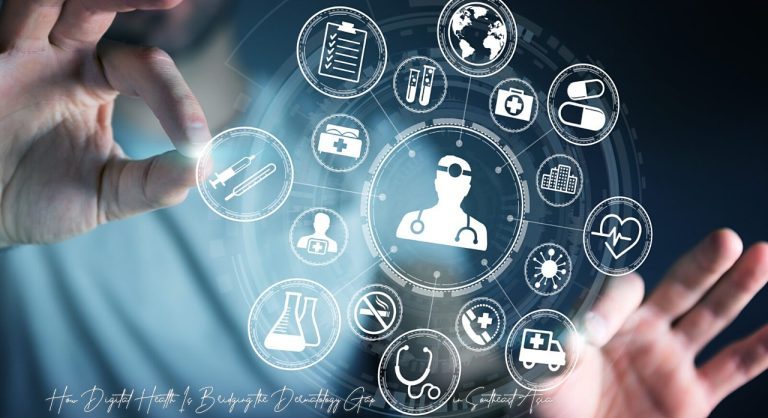
Contacting a dermatology clinic with a skin rash used to mean waiting weeks for an appointment. That reality is changing, driven less by any single innovation than by a gradual convergence of app development, telehealth platforms, and shifting patient expectations. Clinics like Lumine Dermatology Clinic have become reference points in the move toward accessible, evidence-based skin care, and what’s changed most isn’t just where patients go for help; it’s how quickly and how easily they can reach a specialist at all.
The monsoon months have always triggered a predictable surge in skin infections across Thailand and Southeast Asia. Fungal conditions, bacterial rashes, and worsening eczema all spike when humidity spikes, and dermatology departments in public hospitals absorb that pressure badly. The gap between patient need and available specialist time is measurable and large. Teleconsultation platforms, AI-assisted triage tools, and mobile health apps are filling some of that gap, though not without real limitations. This piece looks at how that shift is unfolding, where it’s working, and where the friction still sits.
When Monsoon Season Meets Limited Access
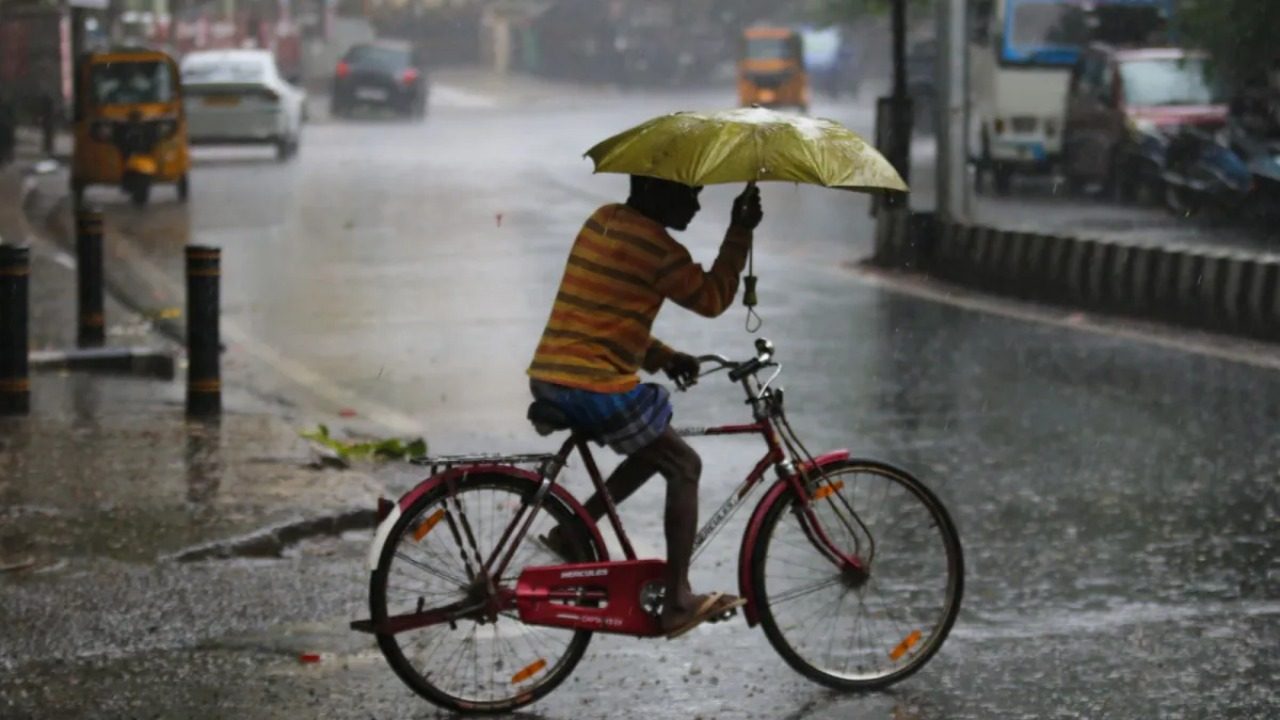
Thailand has roughly one dermatologist per 100,000 people in urban centers; in rural provinces that ratio drops sharply. During peak monsoon months, typically June through September, patient volume at dermatology outpatient units in provincial hospitals spikes by 20 to 30 percent. Most of those cases involve fungal or bacterial conditions that respond well to standard topical antifungals, but the bottleneck isn’t the treatment protocol. It’s getting a confirmed diagnosis at all.
General practitioners fill the gap with reasonable accuracy for common presentations, but misdiagnosis rates for atypical fungal infections hover around 30 to 40 percent in primary care settings without specialist input. Patients sometimes cycle through two or three rounds of incorrect treatment before reaching a dermatologist. That wasted time matters less when the condition is purely cosmetic; it matters considerably more when the infection is spreading or involves secondary bacterial involvement.
This pressure gave teleconsultation its practical case for existence in the region. The need was specific, seasonal, and getting worse each year as urban dermatologist workloads expanded while rural staffing stayed flat.
How Teleconsultation Fits Dermatology Particularly Well
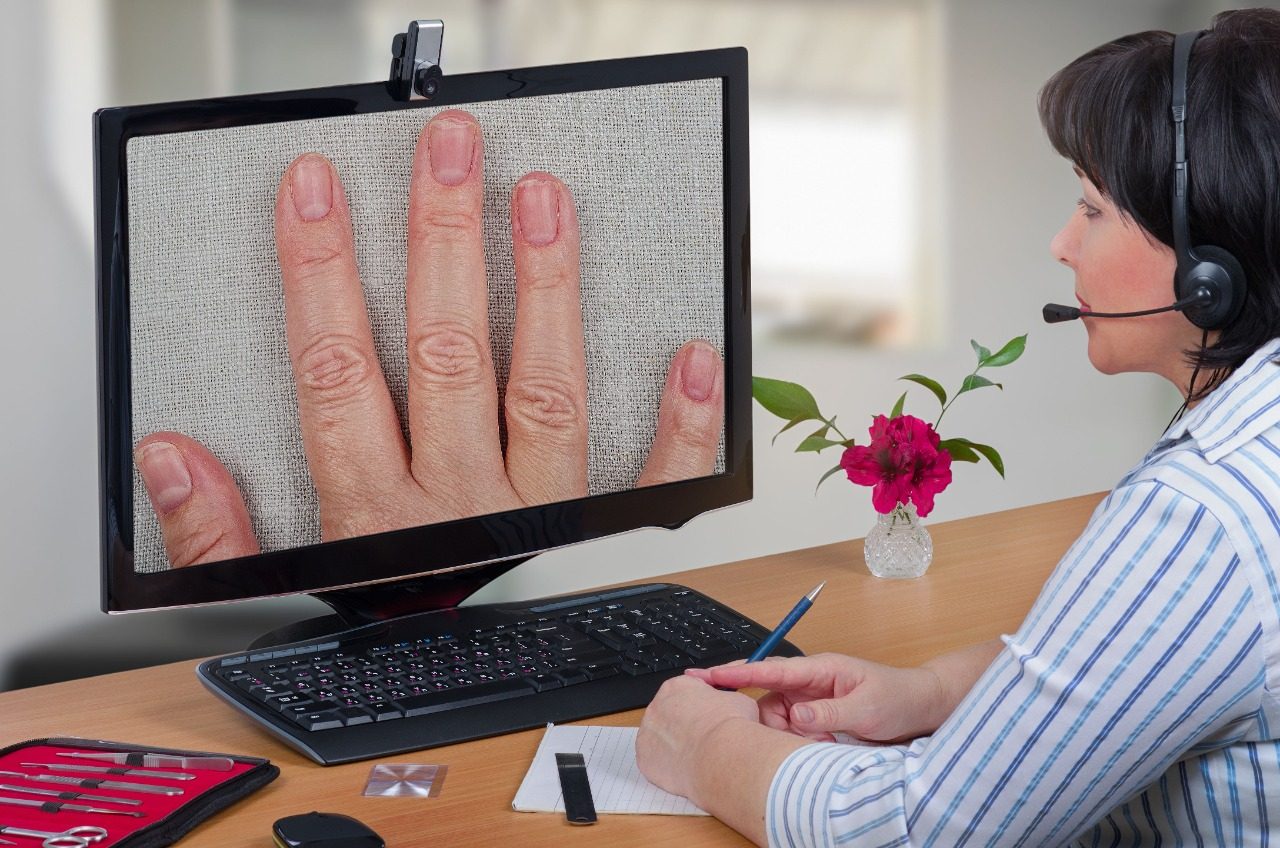
The core appeal of remote consultation for skin conditions is that so much of the diagnostic process is visual. A good photograph taken in adequate lighting often gives a dermatologist enough to rule in or out the most common presentations. That makes dermatology a better candidate for telehealth than specialties that rely heavily on physical examination, where what’s absent from a photo can be as diagnostic as what’s visible.
Several platforms operating across Southeast Asia now route patients directly to board-certified dermatologists with response times under 24 hours for asynchronous consultations. Some use a hybrid model: an AI pre-screening step that flags severity, followed by specialist review for anything outside clear-cut categories. According to the World Health Organization, 42 percent of countries globally report inadequate or extremely poor access to dermatologic services; teleconsultation is one of the more practical short-term responses to that number.
Adoption is uneven. In Thailand, uptake is stronger in younger urban populations than in rural communities that arguably need remote access most. That gap is as much a trust problem as a connectivity problem, and neither resolves quickly.
AI Triage Tools in Tropical Skin Disease Detection
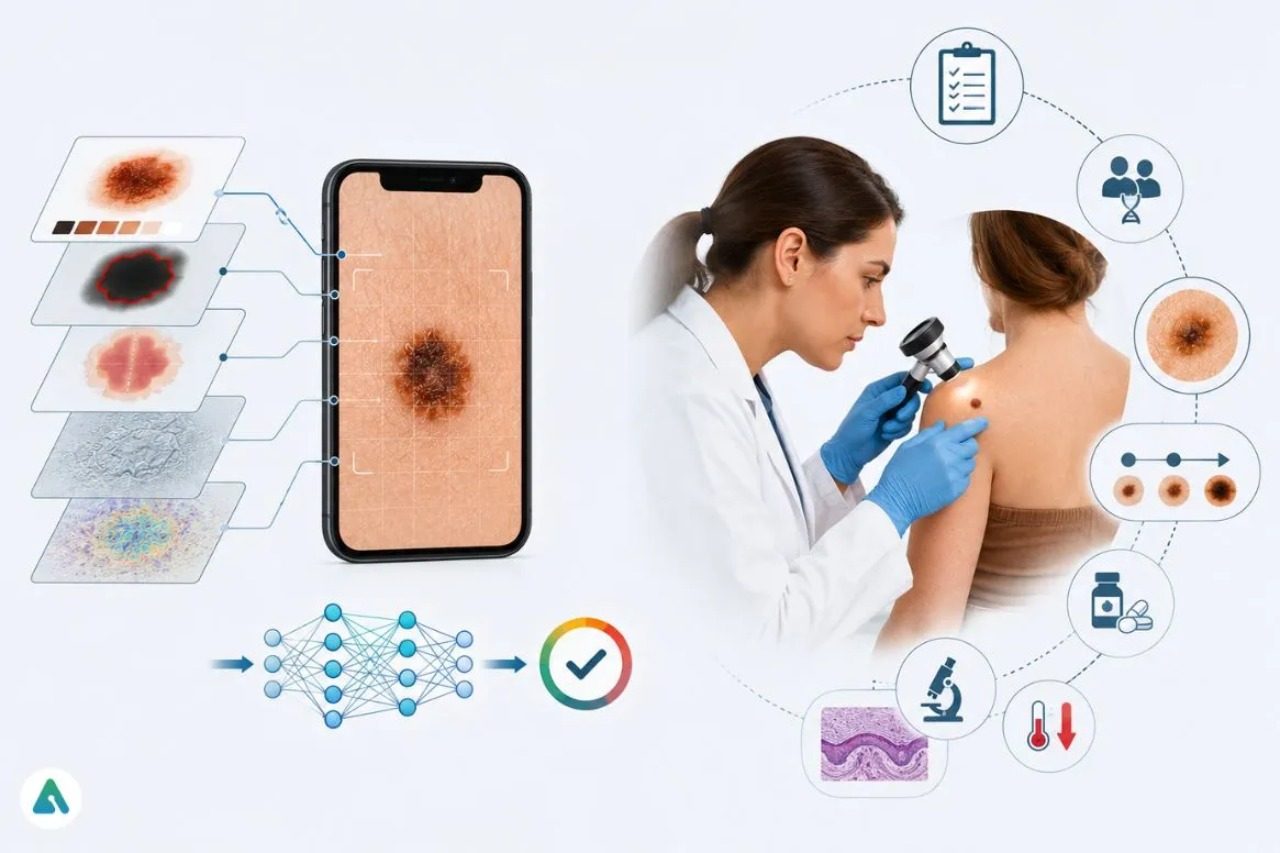
AI-based skin condition classifiers have improved substantially, largely because dermatology suits computer vision approaches well: the input is photographic, the output categories are finite, and high-quality labeled datasets have become available through large dermatology networks. Some tools now perform at the level of a general practitioner for common fungal and inflammatory conditions in controlled testing environments.
The clinical picture is more complicated in practice. Tropical skin conditions common to Southeast Asia are underrepresented in the training data of most commercial AI dermatology tools, which were built primarily on datasets from Europe and North America. A classifier trained mostly on temperate-zone presentations may perform less reliably on tinea versicolor in a high-humidity tropical context, or on presentations complicated by skin tones that were also underrepresented in early datasets. Some regional health organizations are building dedicated datasets to address this gap, though that work takes time and coordination to produce.
The realistic near-term role for AI here is triage and routing rather than replacing specialist judgment. The question it needs to answer is whether a patient requires urgent in-person attention or can wait 48 hours for an asynchronous teleconsultation.
What the Research Says About Fungal Treatment Protocols
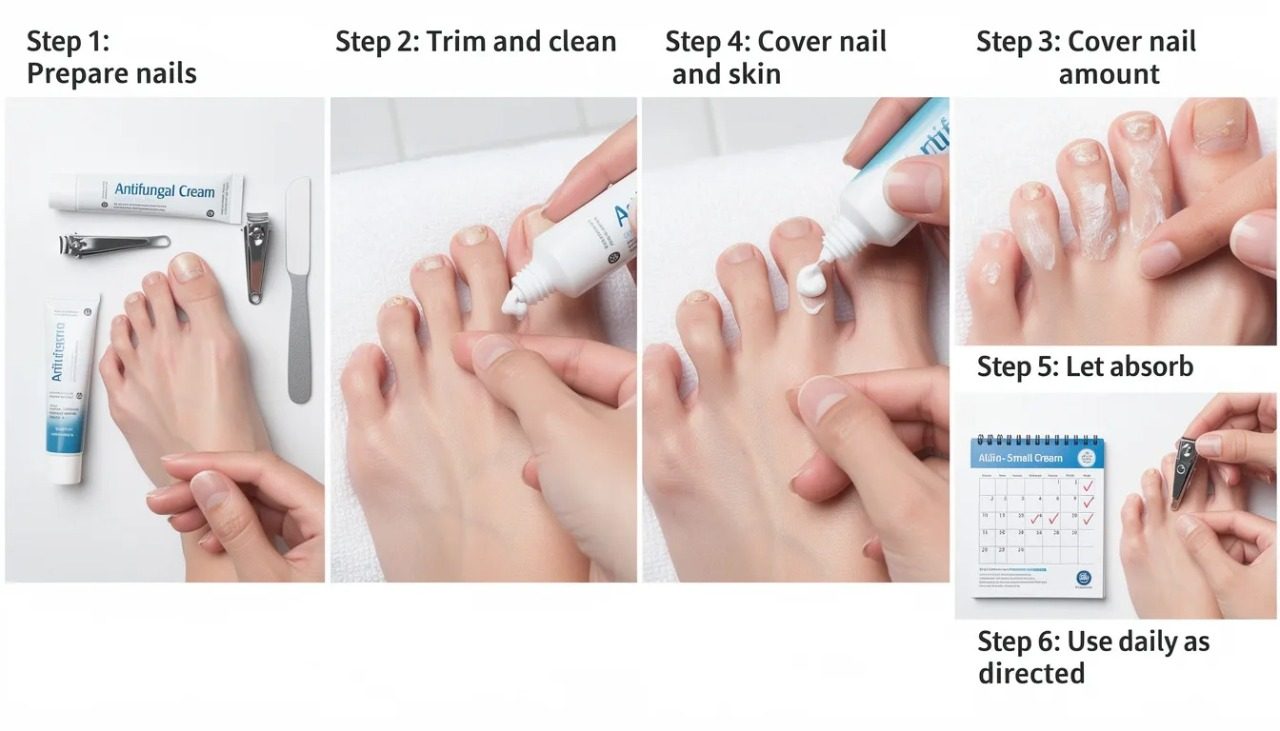
One underappreciated dimension of digital health in dermatology is its effect on treatment adherence. Patients who receive written follow-up plans, prescription reminders through an app, and clear guidance on what to watch for tend to show better outcomes, not because the medication changed, but because the patient-provider relationship became more continuous. The clinical encounter shifts from a one-off visit to something more like an ongoing exchange, and that matters when conditions require weeks of consistent treatment.
The protocols for tropical fungal infections are reasonably well-established. The CDC’s clinical care guidance on fungal diseases outlines standard antifungal regimens, including oral options for persistent or widespread infections, and flags a specific risk common in Southeast Asia: the widespread over-the-counter availability of combination antifungal-corticosteroid products, which can worsen fungal infections over time even as they temporarily suppress symptoms.
Teleconsultation can catch this problem early. A remote dermatologist reviewing a patient’s self-reported treatment history can identify inappropriate self-medication before a simple infection becomes chronic. For many patients, that one correction saves months of ineffective treatment and, in some cases, prevents a secondary bacterial infection from developing on top of the original fungal problem.
What Good Digital Dermatology Infrastructure Looks Like
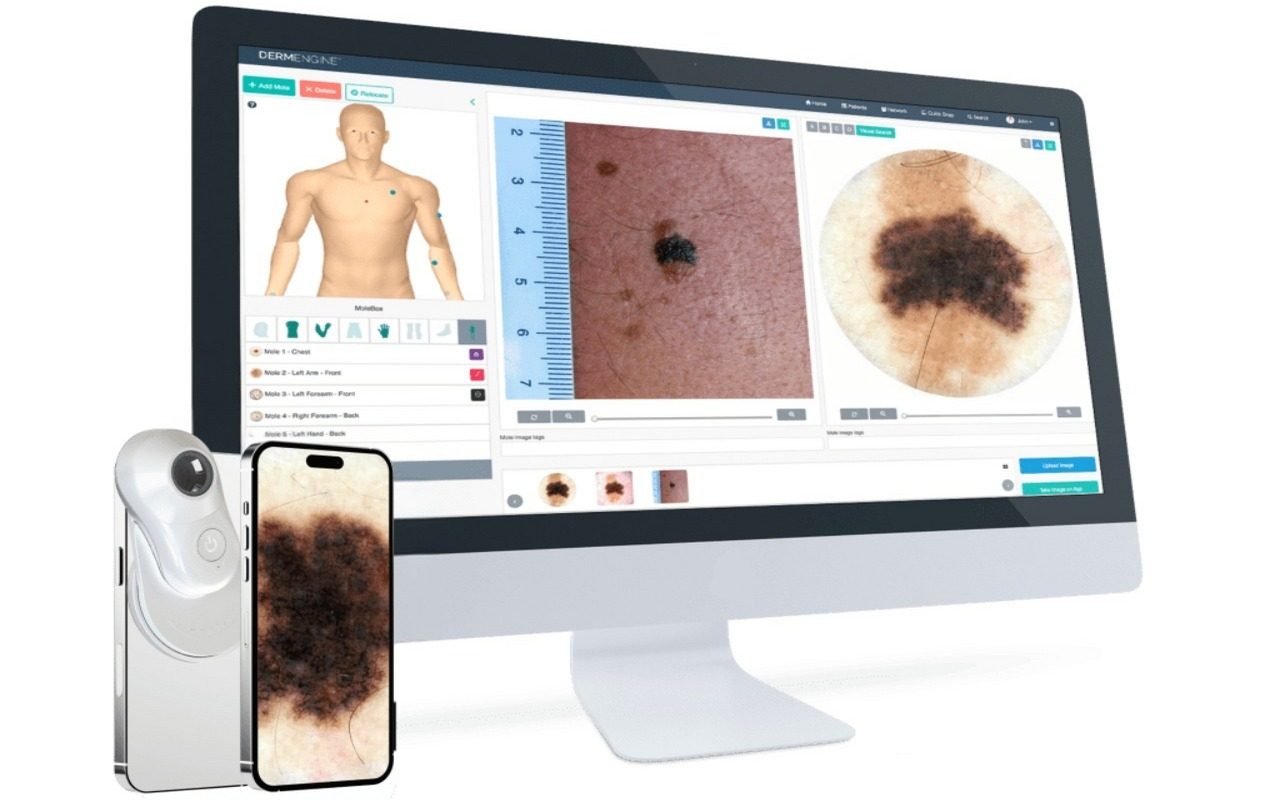
A sustainable digital dermatology model for Southeast Asia probably isn’t a single app or platform. It’s a layered system: AI-assisted initial triage, teleconsultation for confirmed or probable skin conditions, referral pathways to in-person clinics for cases requiring direct examination, and app-based follow-up for ongoing conditions. Each component handles what it handles best and hands off to the next layer when it can’t.
The infrastructure challenges are genuine. Mobile internet coverage across rural Thailand, Laos, Cambodia, and Myanmar remains inconsistent. Photo quality from lower-end smartphones varies in ways that matter clinically. Language support for minority-language populations is sparse. These aren’t reasons to dismiss digital dermatology; they’re reasons to invest in the supporting infrastructure alongside the clinical tools, not after the fact.
The clinics and platforms that gain traction here will be the ones that treat technology as amplifying the clinical relationship rather than substituting for it. Patients who get an accurate diagnosis quickly, understand their treatment, and have a way to follow up without a long journey tend to stick with the provider who gave them that experience.