

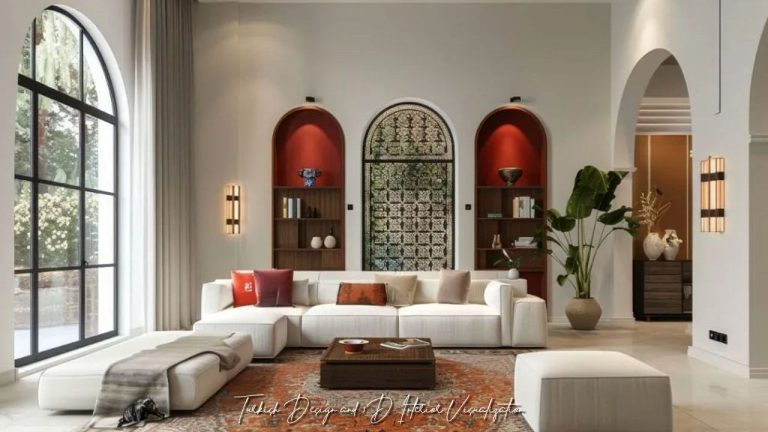
Turkish design has a rich history blending traditional Ottoman aesthetics with contemporary innovation. From intricate tile work to bold geometric patterns, Turkish design principles emphasize harmony, balance, and cultural heritage. Modern architects and interior designers now leverage these timeless elements in combination with cutting-edge visualization technologies.
Inna3D is transforming how designers present their vision through advanced 3D rendering and visualization tools. By integrating Turkish architectural traditions with digital design, professionals can showcase spaces before they are built, allowing clients to experience the full potential of their interiors.
The Power of 3D Visualization in Interior Design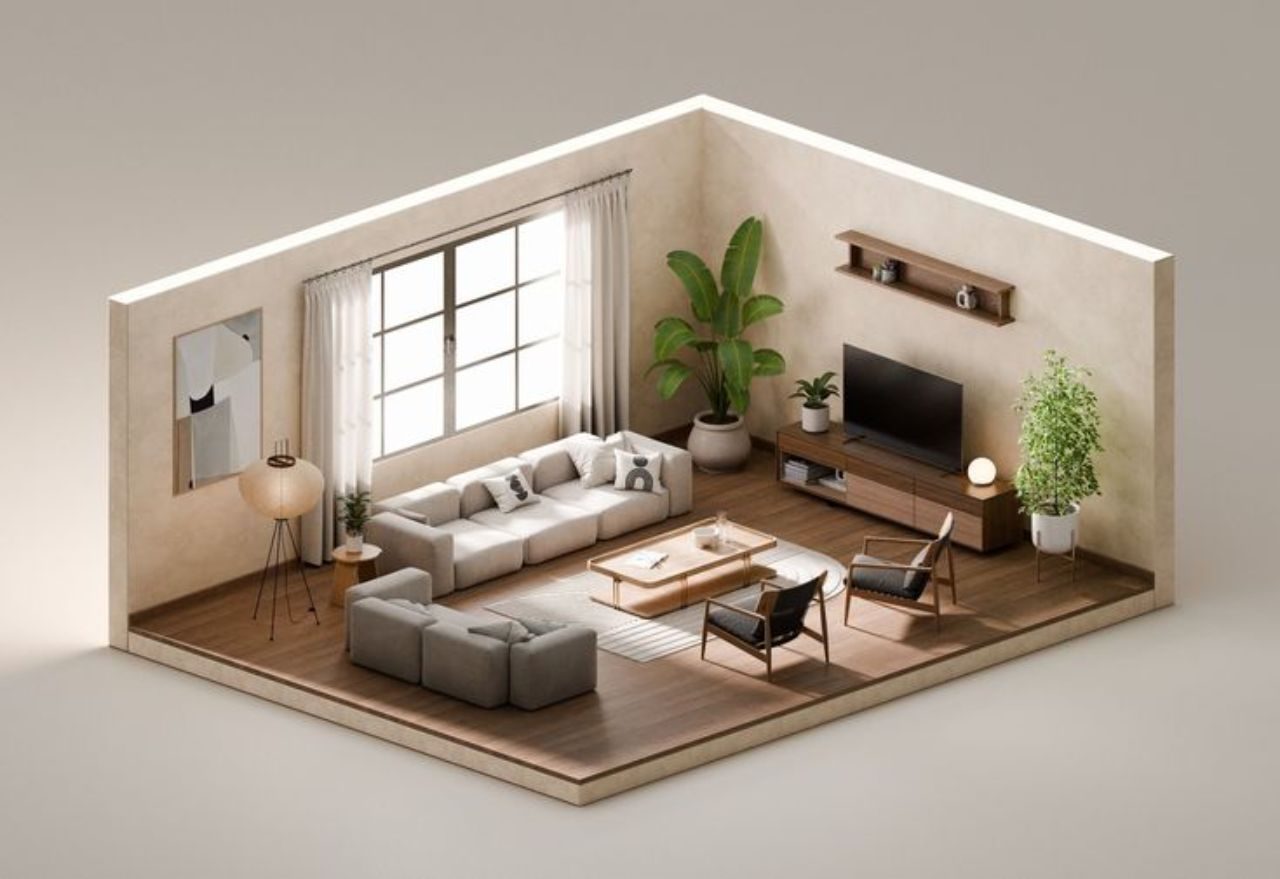
3D interior visualization has become essential in modern design practice. 3D visualization interior design services enable architects to communicate complex spatial relationships to clients and stakeholders. This technology bridges the gap between concept and reality, reducing misunderstandings and accelerating project timelines. According to Design Council UK, visualization tools have become critical components of the designer’s toolkit, enhancing both the creative process and client communication.
Turkish Architectural Elements in Modern Spaces
Turkish architecture draws from centuries of imperial palace design, Ottoman mosques, and traditional residential structures. Key elements include intricate calligraphy, arabesque patterns, and sophisticated use of light through geometric screens (jali). Contemporary designers incorporate these elements into modern interiors by using traditional motifs in unexpected ways, creating spaces that honor cultural heritage while remaining visually current.
Digital Tools and 3D Modeling
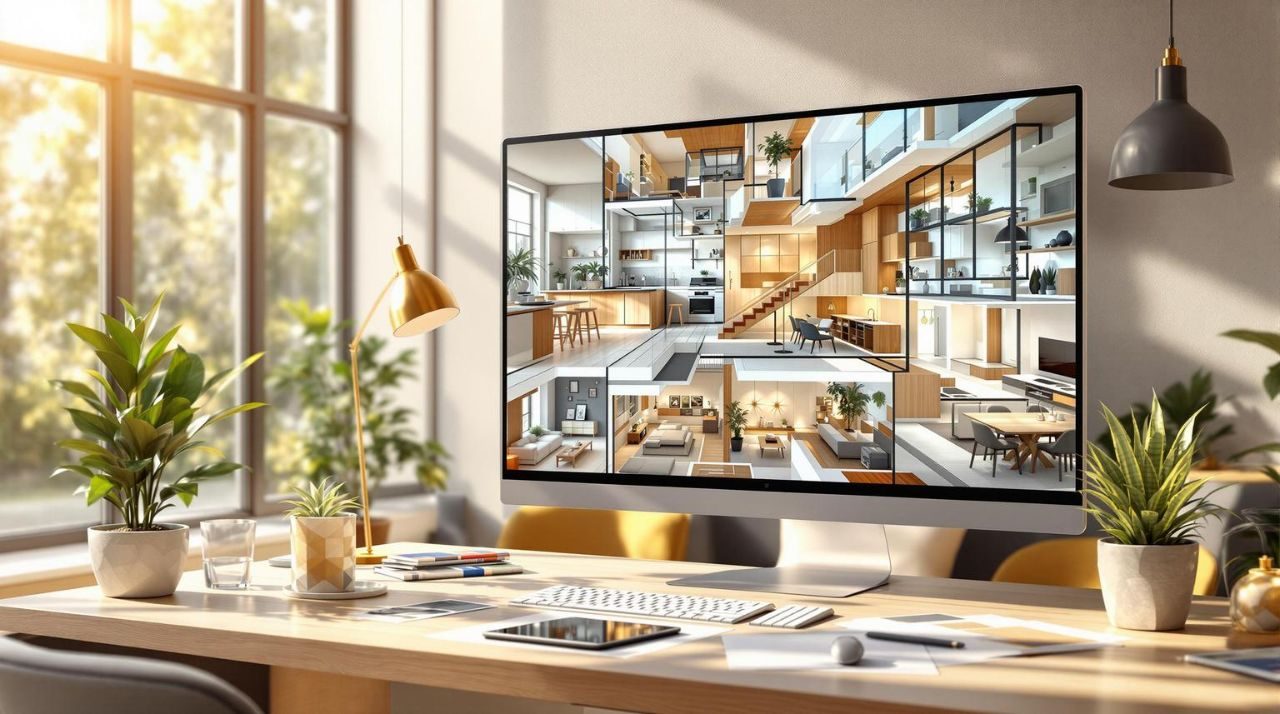
Digital design platforms enable architects to explore Turkish design elements at scale. 3D modeling software allows professionals to experiment with traditional patterns, test color combinations, and visualize how natural light interacts with ornamental details. ArchDaily, a leading architecture publication, regularly features projects that showcase how digital visualization enhances the understanding of traditional design principles in modern contexts.
Client Presentation and Decision-Making
3D visualization significantly improves client satisfaction and decision-making. By presenting rendered images and immersive walkthroughs, designers help clients envision finished spaces, understand spatial proportions, and approve design changes before construction begins. This process reduces costly revisions and ensures alignment between client expectations and final outcomes.
The Future of Design and Visualization
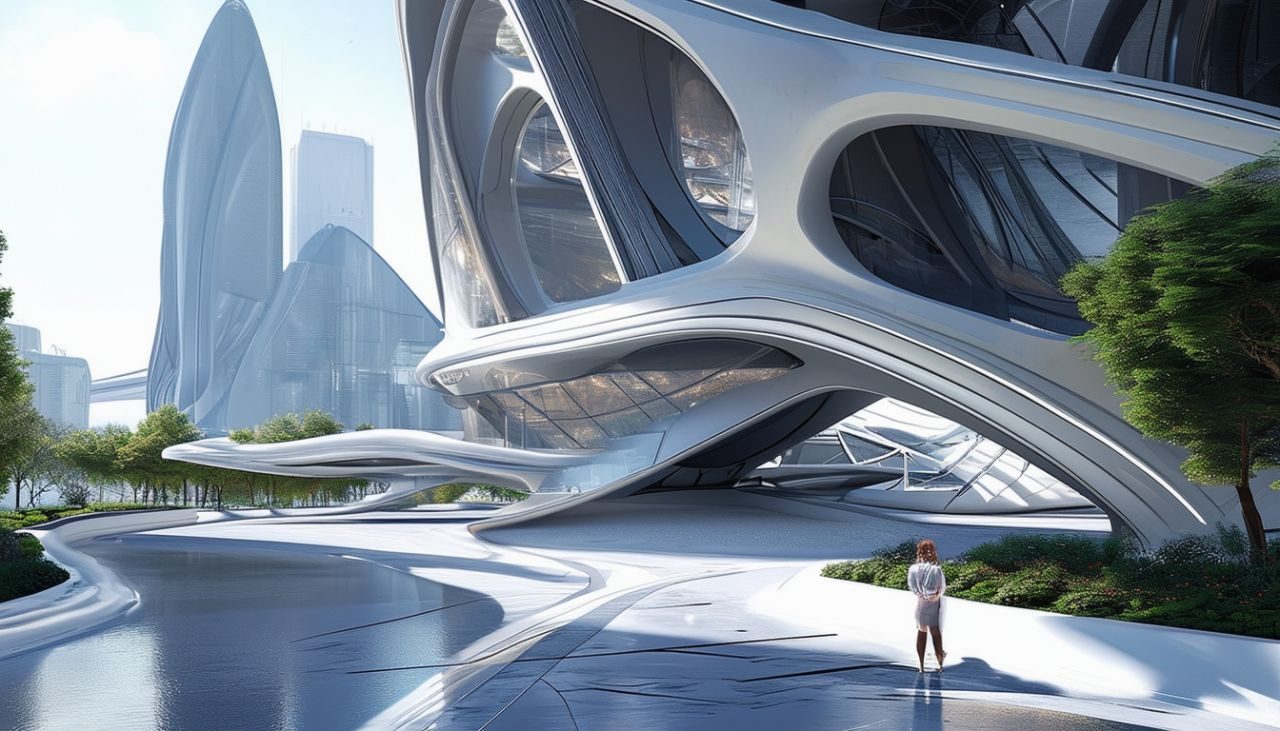
As technology evolves, the integration of artificial intelligence and virtual reality into design visualization promises even greater possibilities. Turkish design traditions will continue to inspire contemporary spaces, enhanced by increasingly sophisticated visualization tools that bring historical aesthetics into the modern era.