
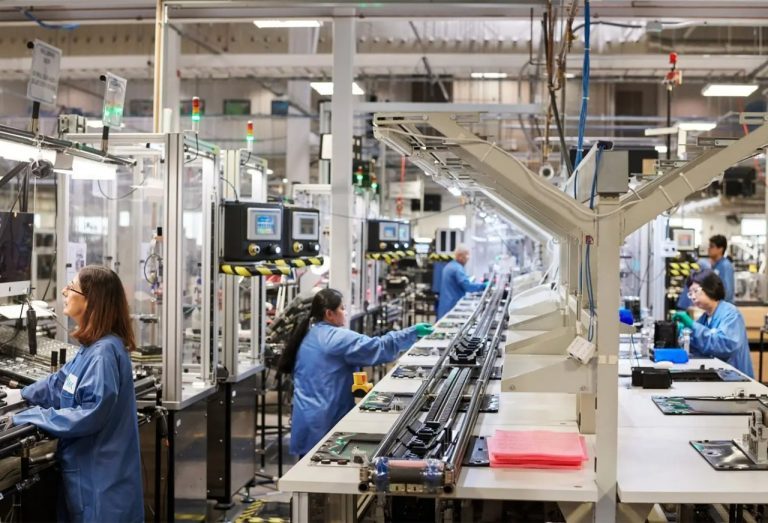
For most of the 2000s, outsourcing production to Asia was a fairly straightforward numbers calculation: lower wages meant lower unit costs, and that was the end of the analysis for most buyers. That logic still applies in certain product categories, but it is no longer the complete picture. Companies across medical devices, electronics, industrial equipment, and consumer goods have found that the decision involves far more than labor cost arbitrage. Infrastructure investment, specialized tooling, supplier density, and decades of accumulated process knowledge in manufacturing clusters have created something more durable than a simple cost advantage.
The shift matters most for companies in the middle of the size spectrum. Large enterprises with dedicated global procurement teams and established supplier relationships have been navigating this terrain for a long time. The more interesting development is happening at companies that never had those resources, and are now working out, often for the first time, what a productive partnership with an overseas manufacturer actually looks like. Getting it right takes more than comparing quotes. It takes a clear understanding of what the relationship requires from both sides.
How Contract Manufacturing in Asia Has Transformed Production Options
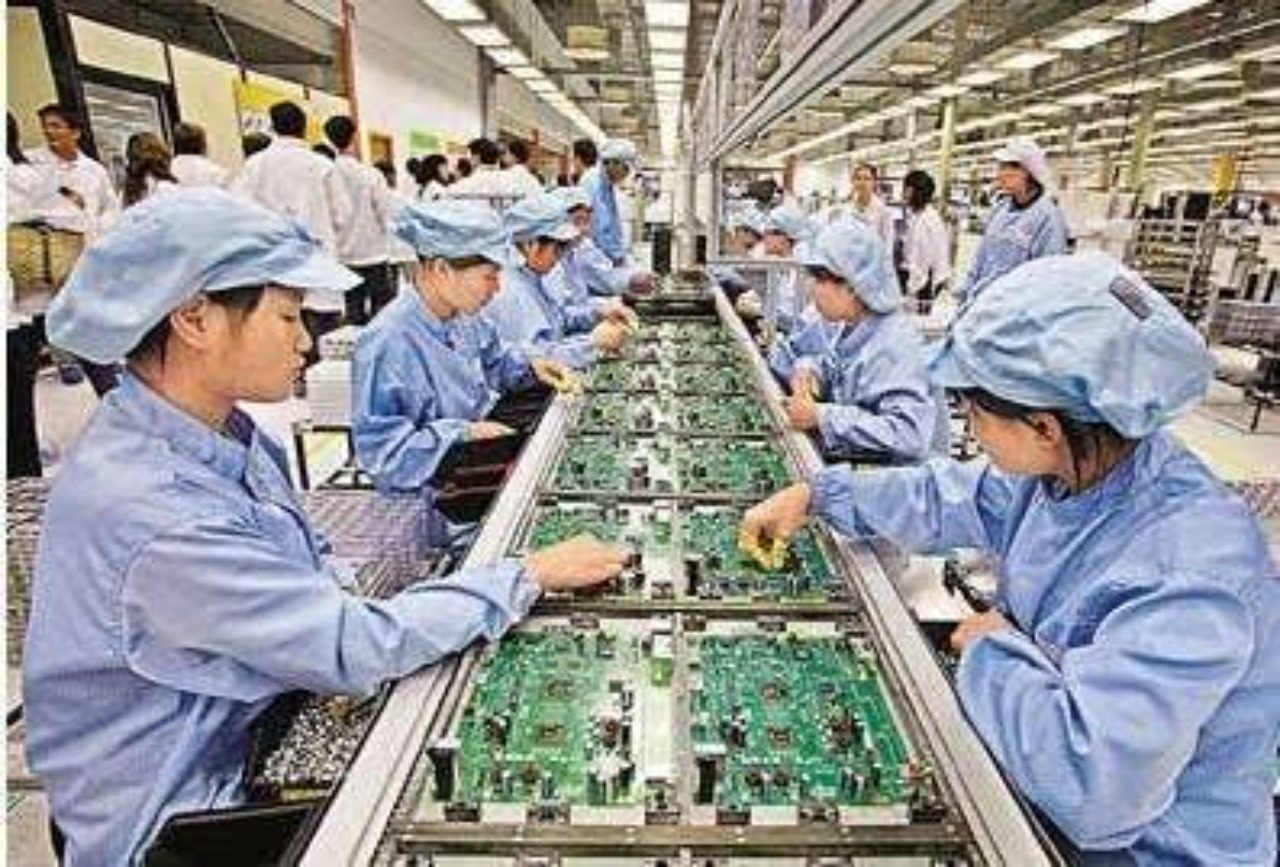
Over the past decade, the range of available production partners in Asia has changed considerably. Facilities that offered a low-cost base for basic assembly work in 2012 may now offer the same footprint alongside ISO certification, in-house process engineering, and validated production methods for regulated products. That upgrade happened because customers pushed for it. Companies selling into US and European markets applied sustained pressure on documentation, traceability, and process consistency, and the suppliers that came through that pressure are meaningfully more capable.
The practical result is that contract manufacturing in Asia now covers a wider range of product complexity than it did ten years ago. Medical device companies in particular have found that certain partners in Southeast Asia have developed the infrastructure needed to support regulatory submissions in multiple markets simultaneously. That is not a claim from a brochure; it shows up in how clinical-stage and growth-stage companies structure their development and production timelines.
Due diligence on a potential partner is still demanding work. But the pool of suppliers capable of passing a serious audit has expanded, and working with one that has been through the process before can save months of back-and-forth during product qualification.
Where Small and Mid-Size Manufacturers Are Finding an Edge
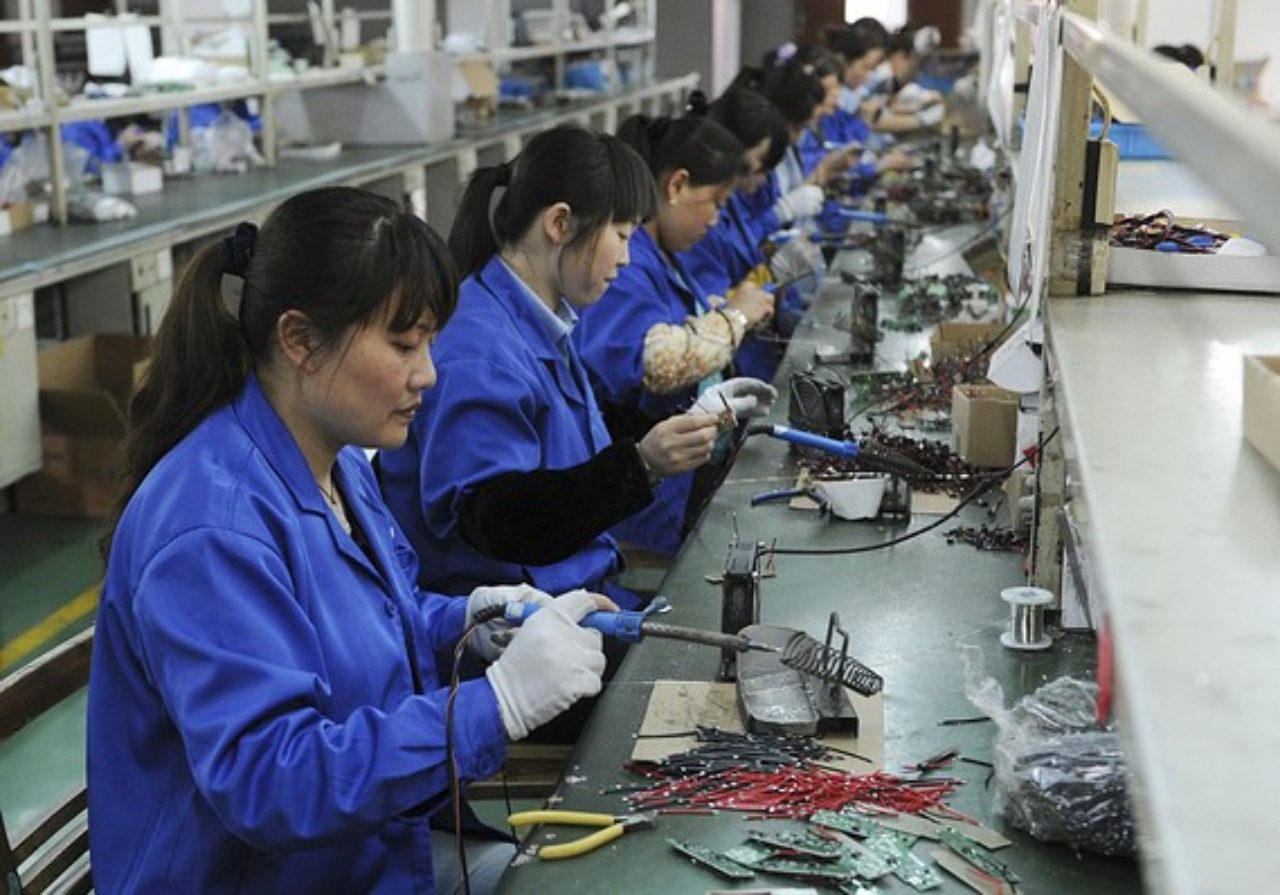
One persistent misconception about offshore contract manufacturing is that it favors only large buyers with the volume to command attention and negotiate meaningful terms. The reality in many Asian manufacturing clusters runs against this assumption. Smaller orders attract smaller factories, and smaller factories often offer more flexible production scheduling, more direct access to engineering staff, and a more genuine interest in developing a relationship that grows over time. A buyer placing 5,000 units at a 200-person facility is a relevant customer; at a 10,000-employee operation, the same order disappears into the queue.
Research from the National Institute of Standards and Technology on manufacturing quality assurance consistently points to process discipline, not facility size, as the strongest predictor of production reliability. That matters when mid-size buyers are deciding which factory to approach.
This is exactly where small and mid-size manufacturers have found room to compete with much larger players. By building tighter supplier relationships and managing quality more directly, they produce output that holds up in categories where higher-volume operations have settled for acceptable tolerances. The advantage is not price; it is consistency and a shared stake in getting each production run right.
Regulatory and Compliance Considerations That Determine Whether It Works
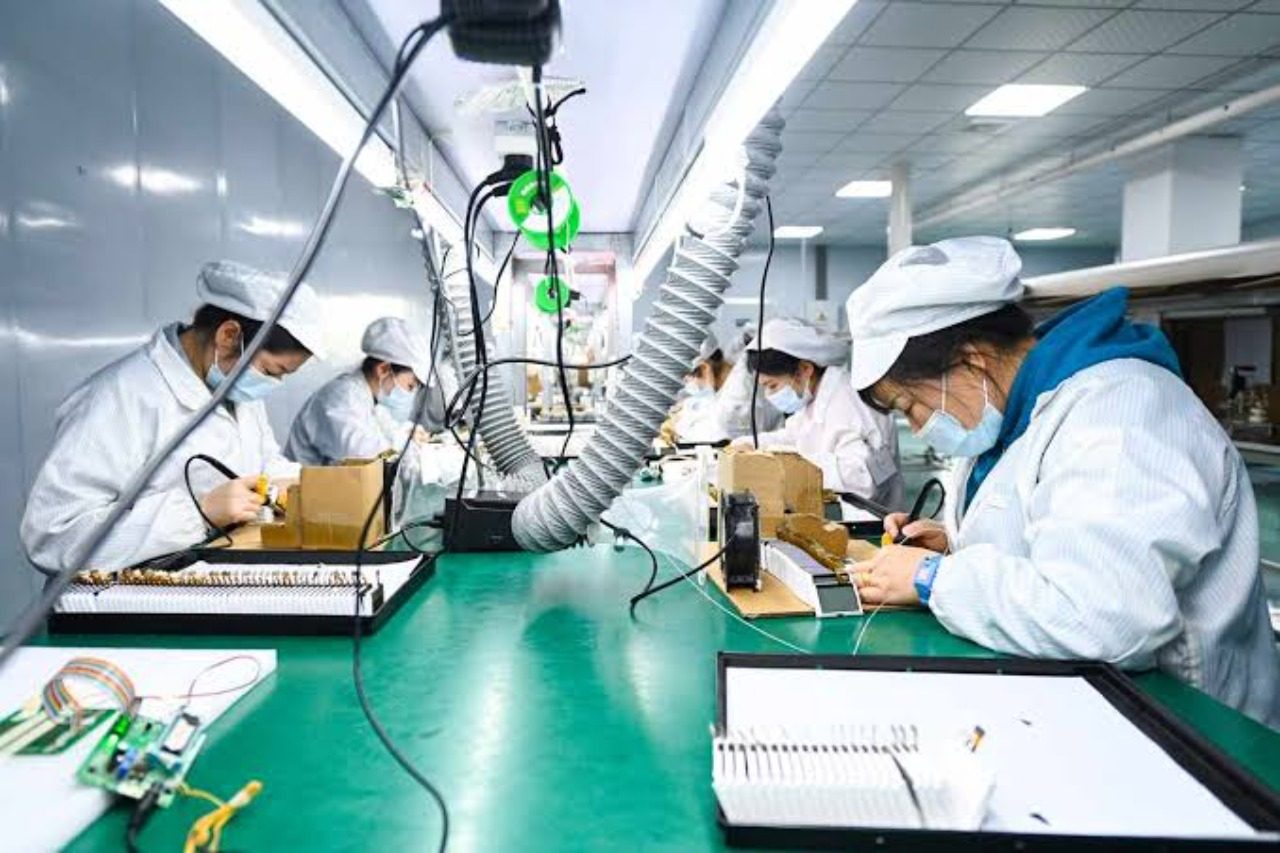
The gap between a competent manufacturer and a compliant one is real, and companies typically discover it at the worst possible moment. For products sold in the US or EU, compliance requirements travel with the product, not with the production address. FDA registrations, CE marks, RoHS declarations, and material traceability requirements apply whether the factory is in Ohio or Penang. A sourcing decision made on cost alone, without attention to how a partner manages documentation, tends to create expensive problems downstream.
Practical due diligence means asking prospective partners for audit histories before placing an order. It means understanding whether a facility has passed third-party inspections, under which standards, and how recently. The U.S. Small Business Administration’s guidance on managing production supply chains outlines the documentation and risk management questions that any small or mid-size manufacturer entering a new supplier relationship should work through, regardless of where that supplier is located.
Building compliance requirements into the contract from the beginning is equally important. Verbal assurances about certifications or quality systems are not the same as contractual commitments with defined audit rights. Getting that language in place before production starts is considerably easier than trying to add it after a problem surfaces.
Finding a Partner That Matches Your Actual Production Profile
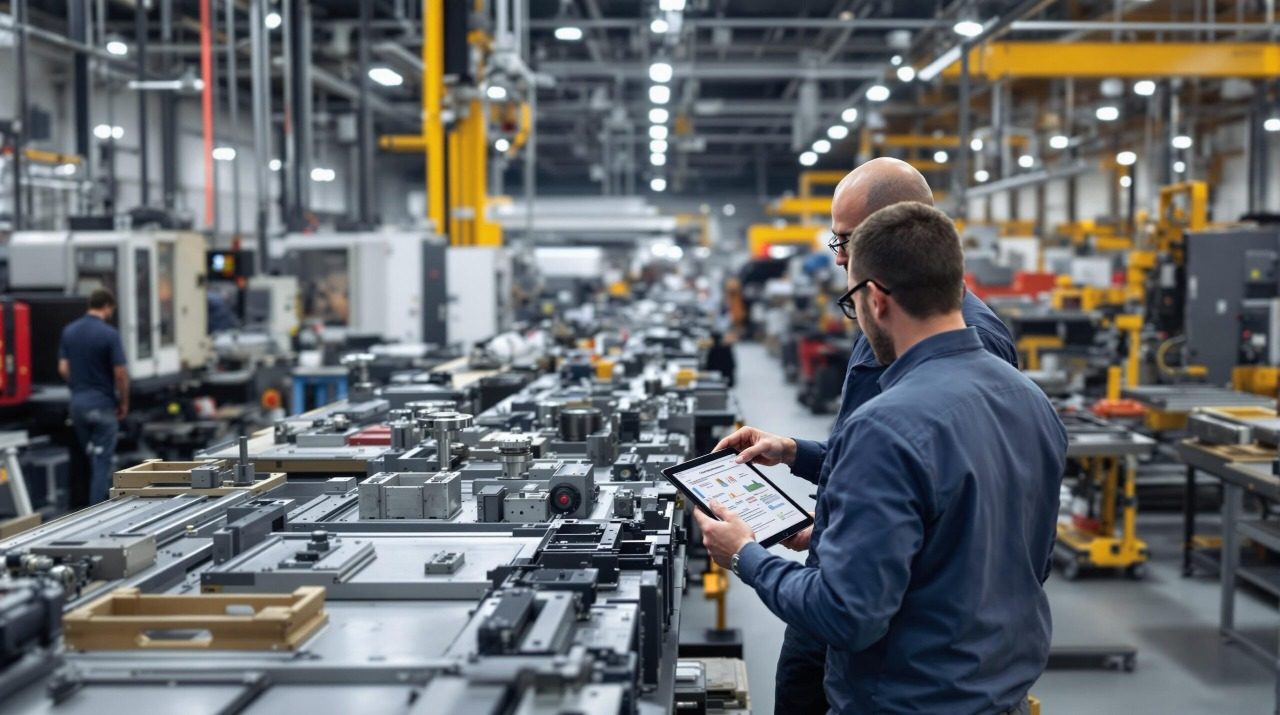
Sourcing databases and trade show contacts produce lists, but the distance between a name on a list and a vetted production partner is significant. Companies that build reliable overseas manufacturing relationships almost always invest in qualification before placing a real order: small pilot runs, factory audits, sample reviews, and honest conversations about what happens when something goes wrong. That investment is typically cheaper than the cost of learning about problems after a full production run.
Fit is not only about technical capabilities. Some factories are built for high-volume, low-variation work; introducing a product with complex tolerances or frequent engineering changes creates a real operational mismatch. Others specialize in low-volume, high-mix production and have built the systems to support it. Neither model is inherently better; the right answer depends on what you are actually making and how often it changes.
Factory visits are not always feasible for early-stage companies with limited travel budgets. Third-party inspection services can partially substitute, though they work best alongside a real supplier relationship rather than as a replacement for one. Asking for video walkthroughs of production lines, access to line supervisors, and transparency about subcontracting practices is reasonable, and the answers reveal a lot about how a factory manages its own quality chain.
Making the Partnership Productive Past the First Production Run
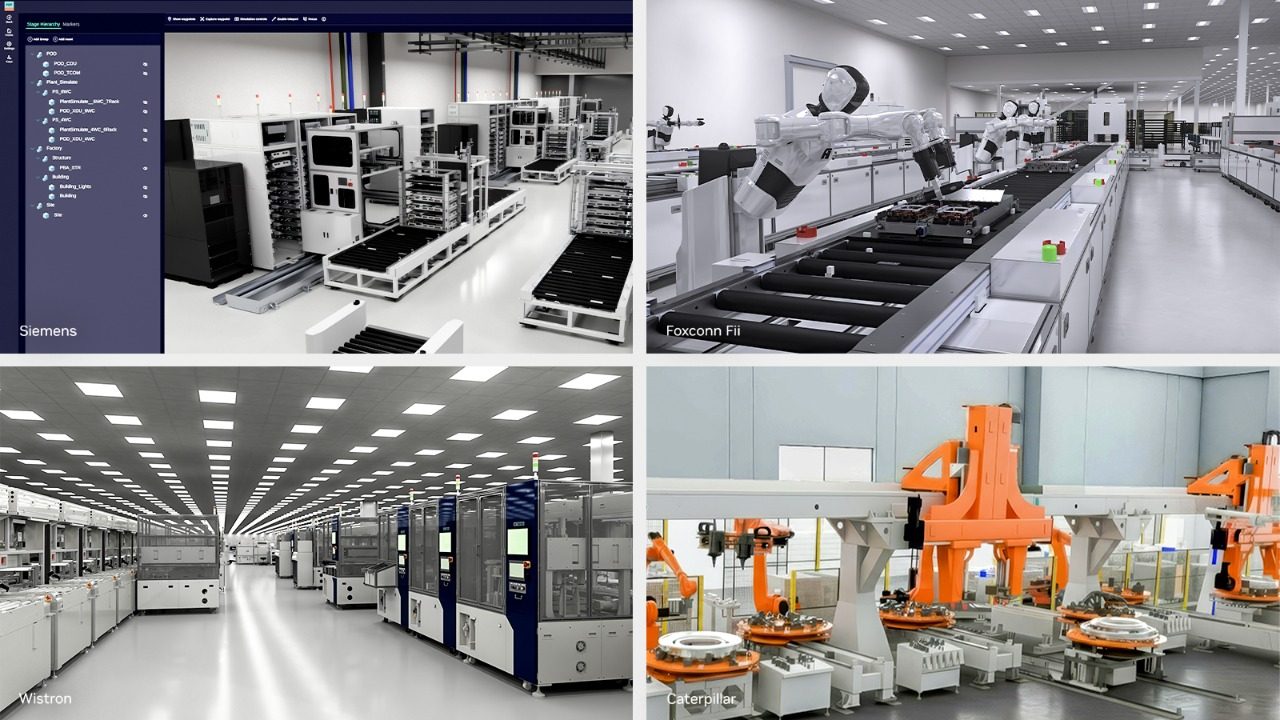
Companies that consistently get strong results from Asian manufacturing partnerships share a few habits that are easy to overlook. They communicate about forecasts before minimum lead times require it. They flag engineering changes early rather than during a production run. They keep in regular contact with the facility, through visits or third-party inspections, rather than only reaching out when something goes wrong. And they treat the supplier relationship as worth protecting, not just as a cost to manage downward.
That last point surprises buyers who assume leverage always sits with the customer. Factories allocate their best tooling and most experienced line operators to customers who are straightforward to work with. A buyer who pays on time, communicates clearly, and does not change specifications mid-run consistently gets better treatment than one who extracts every concession and misses payment terms. The math on a modest savings in unit cost looks different when weighed against delayed shipments and reworked batches.
Long-term partnerships also enable knowledge transfer that short-term vendor relationships cannot support. A supplier that has manufactured your product through five or six production cycles understands its dimensional sensitivities, its failure modes, and the process conditions that produce consistent output. Replacing that supplier for a small cost difference rarely delivers the savings it promises.