

The shift in how students engage with mathematics over the last decade is hard to overstate. Where printed textbooks and board exercises once defined the classroom experience, digital platforms now offer something fundamentally different: immediate feedback, adaptive difficulty, and an almost infinite supply of practice material. For many students, particularly those who fall behind during a unit and never quite catch up, this access to on-demand practice has been genuinely significant.
The change is not happening uniformly, though. Some students thrive with self-paced digital environments; others still need a tutor to walk them through a problem they keep getting wrong. The tools available today, for teachers, tutors, and self-directed learners alike, have become sophisticated enough that the question is no longer whether to use them. It is which ones actually work, and how to integrate them without adding noise to an already cluttered study routine. That distinction matters more than the technology itself.
From Rote Memorization to Adaptive Assessment

Traditional approaches to gauging a student’s math ability tended to be blunt instruments. End-of-unit tests measured what a student could recall on one particular day, in one particular format. A poor result rarely told a teacher much beyond the fact that the student struggled. By the time any adjustments were made, the class had already moved on to the next topic.
Adaptive assessment tools change the feedback loop considerably. Platforms can now identify not just whether a student got an answer wrong, but where in the problem-solving process they went wrong. Did they set up the equation incorrectly? Misapply an order of operations rule? Make an arithmetic slip on an otherwise sound method? Each error type points to a different remediation pathway, and good digital tools surface that information automatically.
For families working with tutors or self-directed study programs, this diagnostic depth is practically useful. Structured resources like a maths test give students a reliable benchmark, formatted the way they will actually encounter questions in school rather than as gamified activities that don’t map onto formal assessments. The score matters less than understanding which question types exposed a gap, then addressing those gaps specifically.
The Case for Practice Materials That Match School Format

Not all digital practice resources are built the same way, and the format mismatch is a real problem. Many apps prioritize engagement over fidelity. They reward speed, use animation to distract from difficulty, and break problems into fragments that never require a student to work through multi-step reasoning from start to finish. There is genuine value in those tools for younger children building number fluency, but for students preparing for formal assessments, the format needs to match what they are preparing for.
According to the National Science Foundation’s K-12 mathematics education research, effective math learning combines strong curriculum foundations with technology that supports rather than substitutes for genuine problem-solving. The implication is that tools should serve the learning process, not define it. When a student only ever practices math through an app interface, they may struggle when they sit down with a pencil-and-paper exam.
Printable and downloadable maths worksheets bridge this gap effectively. Unlike app-based exercises, they remove the interface layer and put students in the same cognitive position they will be in during a test: reading a question, choosing an approach, working through it on paper, and checking their work. For students who struggle with transferring digital fluency to formal examinations, this practice format addresses exactly the right problem.
Why Immediate Feedback Changes Study Behavior
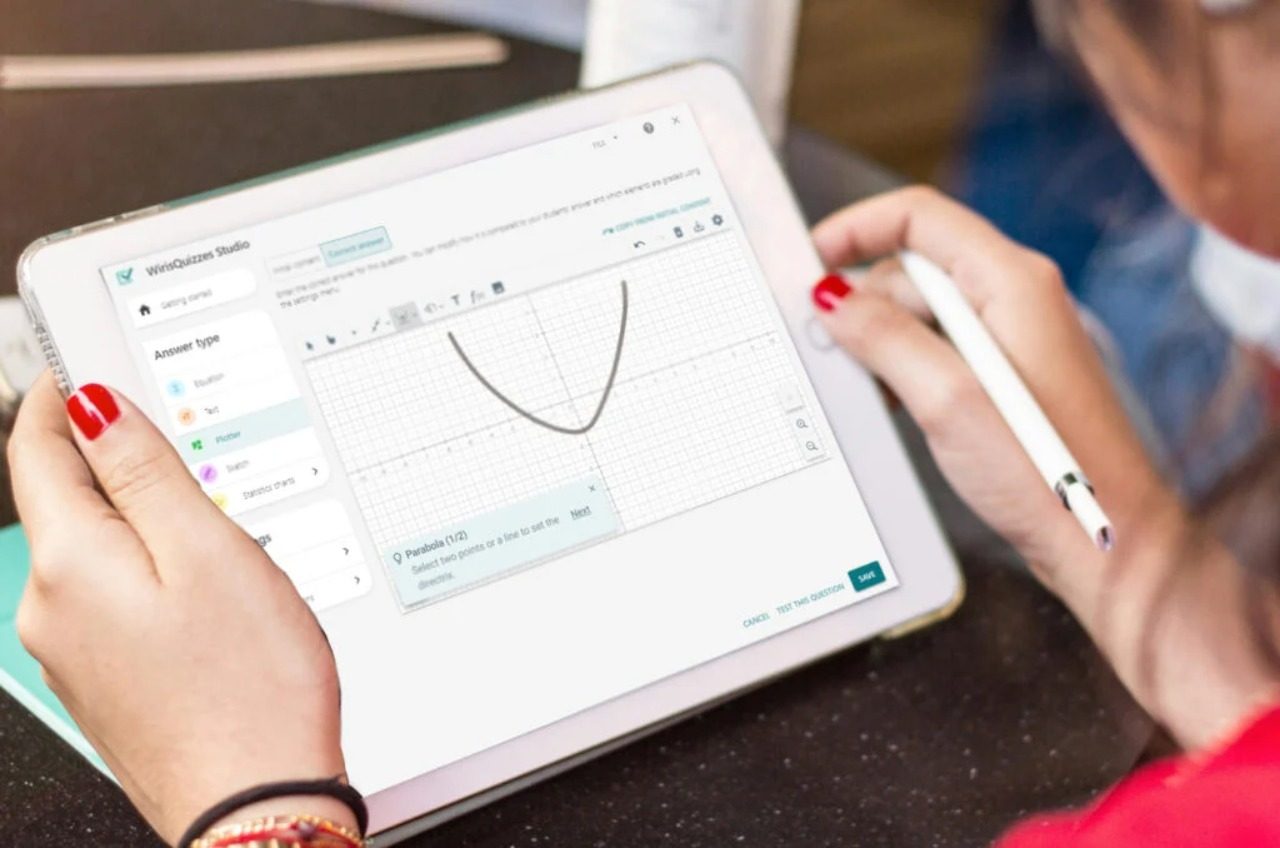
One of the clearest behavioral shifts that digital tools have produced is changing how students interact with their mistakes. In a traditional homework context, a student submits work and waits, sometimes days, before finding out what they got wrong. By that point, the moment of confusion is gone from working memory, and remediation is harder to connect to the original error.
Real-time feedback collapses that gap. When a student sees within seconds that their answer is wrong, they can immediately revisit the step they were just thinking about. The error is still fresh, the method is still accessible, and the cognitive load of reviewing it is much lower. Research suggests that for foundational skill-building, particularly with younger students working on arithmetic and early algebra, real-time correction outperforms delayed marking by a meaningful margin.
This doesn’t mean every piece of feedback needs to be instant. Some evidence suggests delayed feedback builds stronger long-term retention because it forces students to reconstruct their reasoning rather than simply accepting a correction. The honest answer is that it depends on the task type and the student’s current skill level. Immediate feedback works best when students are learning new procedures; spaced review and delayed testing work better for consolidation.
How Tutors Are Using Digital Tools Alongside Human Instruction

The framing of digital tools versus traditional tutoring is a false binary that does not reflect how effective tutoring programs actually operate. Most experienced tutors have integrated digital resources into their workflows not as replacements but as diagnostics. They use platform data to identify exactly where a student’s understanding breaks down, then address it in the session with explanation and discussion that no algorithm can replicate.
The U.S. Department of Education’s math tools resource provides guidance on integrating structured math activities into supplementary learning environments, including after-school programs, and makes a point that applies equally to private tutoring: structure matters. Loosely organised digital activity time rarely produces the gains that purposeful, sequenced practice does. The tool is only as effective as the intention behind its use.
The best outcomes tend to happen when tutors set specific goals for independent digital practice between sessions, then review the resulting data when the student comes back. This creates accountability and ensures that time spent on a platform is targeted rather than a general wander through topics. A student who spends 20 minutes on targeted practice aligned to the previous session’s focus makes much faster progress than one spending an hour on randomly selected exercises.
The Limits of the Tool-First Mindset

There is a version of the ed-tech conversation that treats every learning problem as fundamentally a tool problem. The student is not progressing, so what if we try a different app? That instinct leads to platform-hopping rather than skill-building, and it shows up often enough in tutoring and home education contexts to be worth naming.
The research on mathematics learning is fairly consistent on this point: the strongest predictor of student improvement is the quality and regularity of deliberate practice, not the sophistication of the platform delivering it. A student who works through problems consistently, checks their reasoning, and returns to material they found difficult will outperform a student using a more advanced platform inconsistently, almost every time.
Digital tools are most valuable when they reduce friction in the learning process: making it easy to find practice material at the right difficulty level, tracking what has been covered, and flagging areas that need attention. But the student still has to do the work. A platform that makes it easy to feel productive without actually building skills is worse than a blank sheet of paper, because at least the blank paper doesn’t produce false confidence.