
Building a mobile app can be an exciting venture, but it often comes with a hefty price tag. For startups and small businesses, navigating the high costs of app development can seem daunting. The good news is that you don’t need to break the bank to create a high-performance mobile app. With the right strategy, careful planning, and smart resource allocation, you can build an app that’s efficient, reliable, and budget-friendly.
In this article, we’ll explore practical tips to help you manage costs while ensuring your app delivers top-notch performance. Whether you’re a seasoned developer or just starting out, these insights will set you on the path to building an app without overspending. Let’s dive in!
Start with a Clear Plan and Prioritize Features
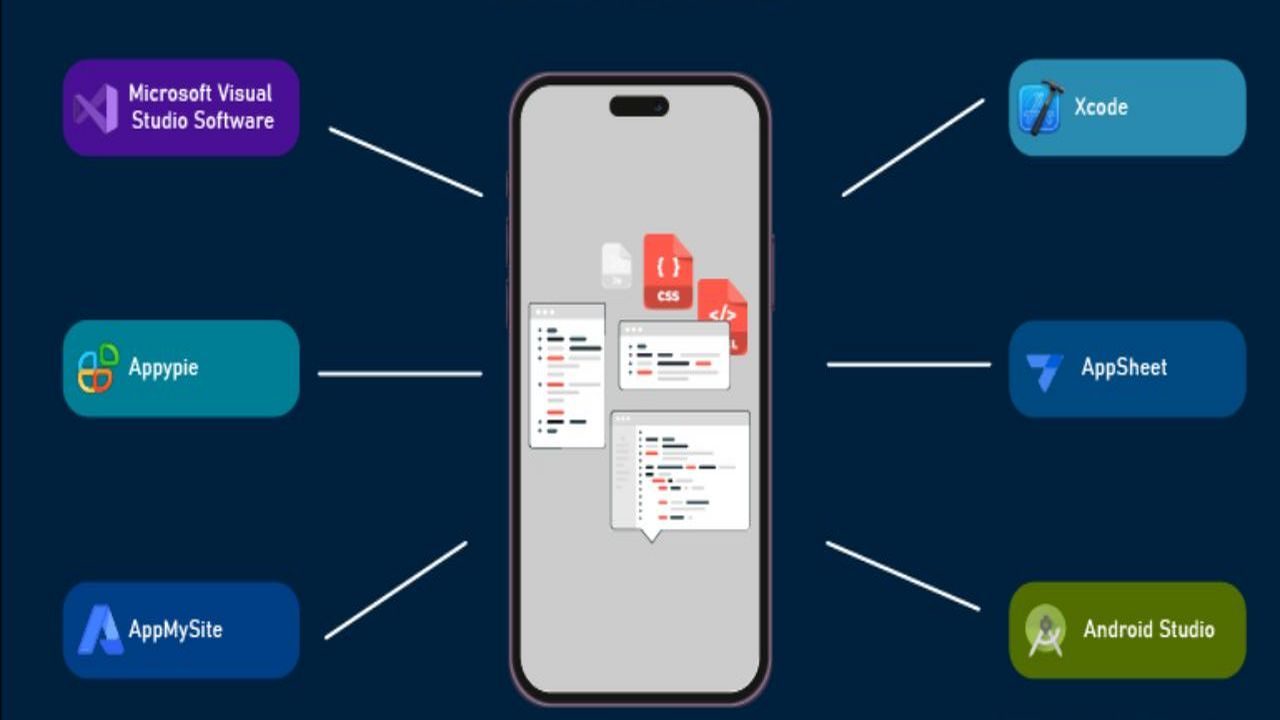
When working on a budget, the first step is creating a well-thought-out plan. Before development begins, outline your app’s core features, its purpose, and target audience. It’s easy to get carried away with ambitious ideas, but focus on the essentials first. Ask yourself, “What features are must-haves?” and “Which functionalities can wait for future updates?”
For instance, if you’re building an e-commerce app, essential features could include a product catalog, shopping cart, and checkout system. Features like personalized recommendations or augmented reality previews can be added later. By prioritizing features, you can allocate resources more effectively and keep your costs under control.
If your app relies on specific hardware functionality, it’s important to source wholesale cell phone parts. This can significantly reduce costs while ensuring your app operates smoothly across devices, whether for iOS or Android. High-quality parts will help avoid performance issues, keeping your users satisfied from the start.
Use Pre-Built Solutions and Open-Source Tools
Developing everything from scratch is time-consuming and expensive. Luckily, there are many pre-built solutions and open-source tools that can save you both time and money. Many platforms offer templates, libraries, and frameworks that allow you to integrate common functionalities without having to build them from the ground up.
For instance, you could use existing payment processing APIs like Stripe, or ready-made UI libraries that give your app a polished look without the need for custom design. This approach not only reduces development time but also ensures that proven and tested tools are being used in your app, which enhances performance and reliability.
Outsource to Freelancers or Small Development Teams
Hiring an in-house team can be expensive, especially for small businesses. Instead, consider outsourcing your app development to freelancers or small development teams. This approach allows you to pay only for the specific tasks or features you need. Freelancers often offer competitive rates, and platforms like Upwork or Fiverr can connect you with skilled developers worldwide.
When outsourcing, make sure to thoroughly vet the team’s experience, ask for portfolio samples, and communicate your expectations clearly. By working with freelance developers, you can save on overhead costs like office space, benefits, and full-time salaries while still getting high-quality work done.
Take Advantage of Agile Development
Agile development allows you to break your project into smaller, manageable tasks, making it easier to stay on budget. With agile, you focus on delivering the most important features first, then gradually adding additional functionality. This method not only helps with cost control but also enables faster iterations based on user feedback, reducing the chances of unnecessary features eating up your budget.
Optimize for Multiple Platforms Using Cross-Platform Development

Developing separate apps for iOS and Android can be costly. Instead, consider using cross-platform development frameworks like Flutter or React Native. These tools allow developers to build a single codebase that works on both platforms, significantly reducing development time and costs.
Cross-platform development ensures that your app will perform well on different operating systems while maintaining a consistent user experience. By adopting this approach, you save both time and resources, allowing you to focus more on optimizing your app’s performance and less on the intricacies of building two separate apps.
Test Early and Often to Avoid Costly Mistakes
The earlier you start testing your app, the easier it will be to identify and fix performance issues. Bugs and glitches are cheaper to fix in the development phase than after launch. Consider conducting beta testing with real users to gather feedback on your app’s performance, usability, and functionality.
By testing early and frequently, you can avoid the high costs of major revisions later on. Automated testing tools like Selenium can also be used to streamline this process, ensuring that your app remains efficient and high-performing.
Invest in Performance Optimization
Even on a tight budget, performance optimization should be a priority. A slow or unreliable app will turn users away, so focus on optimizing key elements such as load times, server responsiveness, and battery usage. Tools like Firebase Performance Monitoring or New Relic can help identify performance bottlenecks and improve your app’s efficiency.
Launch with a Minimum Viable Product (MVP)
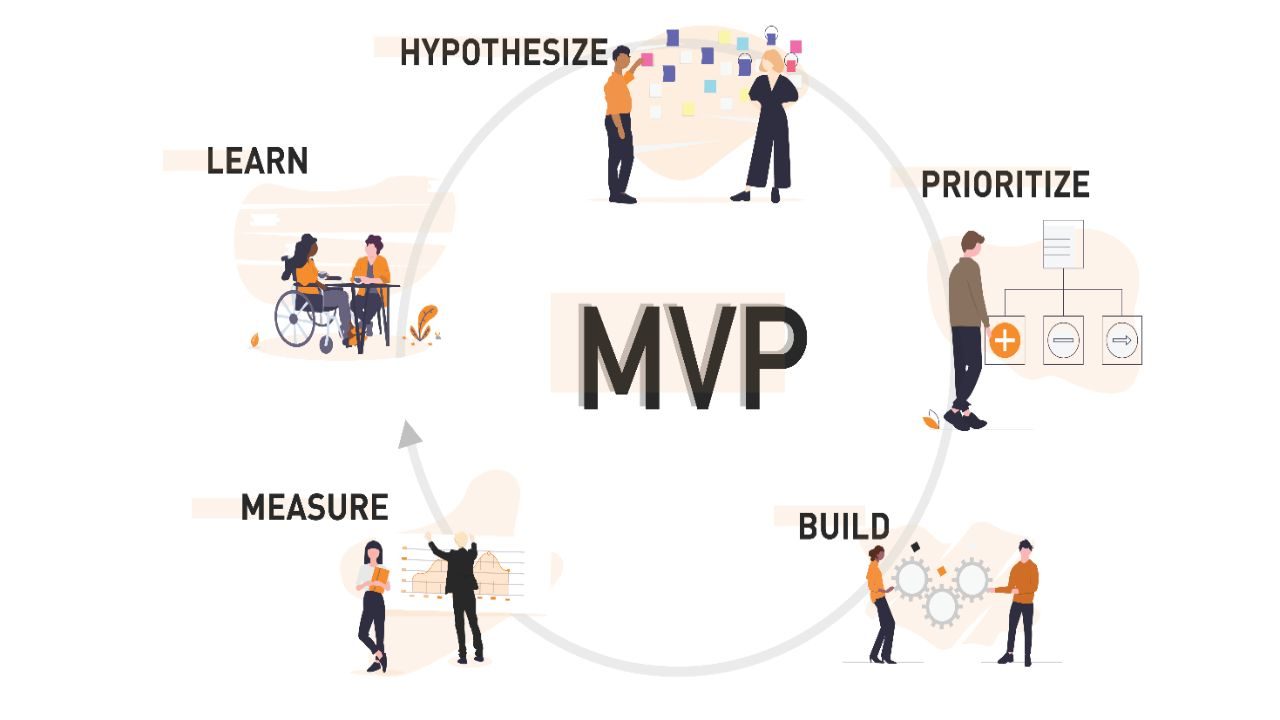
An MVP allows you to launch your app with the core functionalities users need while saving advanced features for later. By starting small, you can release your app more quickly and begin collecting valuable user feedback. This feedback can then be used to guide future updates, ensuring that your app evolves in a way that meets user expectations without unnecessary expenses.
Once the MVP is launched, monitor user behavior and optimize based on real-world data. This will allow you to focus your budget on the features that users actually want, avoiding wasteful spending on unnecessary functionalities.
To Sum Up
Building a high-performance mobile app on a budget is entirely possible with the right strategy. By starting with a clear plan, using pre-built solutions, outsourcing where necessary, and prioritizing performance, you can create an app that’s both efficient and affordable. Remember, it’s not about cutting corners but about being smart with your resources.
Ready to turn your app idea into reality? Start small, focus on what matters, and make every dollar count.