
Metal stamping has become a cornerstone of efficiency in today’s competitive manufacturing market. By transforming raw metal sheets into precise, high-quality components, the process supports faster production times, tighter tolerances, and consistent output. Manufacturers across industries are turning to this method for its ability to reduce costs without sacrificing performance. Companies like Beyonics have demonstrated how metal stamping can be integrated with advanced engineering to meet complex design requirements while keeping profitability in focus.
From automotive to electronics, the demand for precise, cost-effective parts continues to grow. Metal stamping meets this demand by combining speed with accuracy. Its scalability allows manufacturers to handle both small-batch custom orders and high-volume production runs with equal precision. This adaptability, combined with ongoing innovations in tooling and automation, has positioned metal stamping as a reliable profit driver for businesses aiming to remain competitive in global markets.
Efficiency Through Precision Engineering
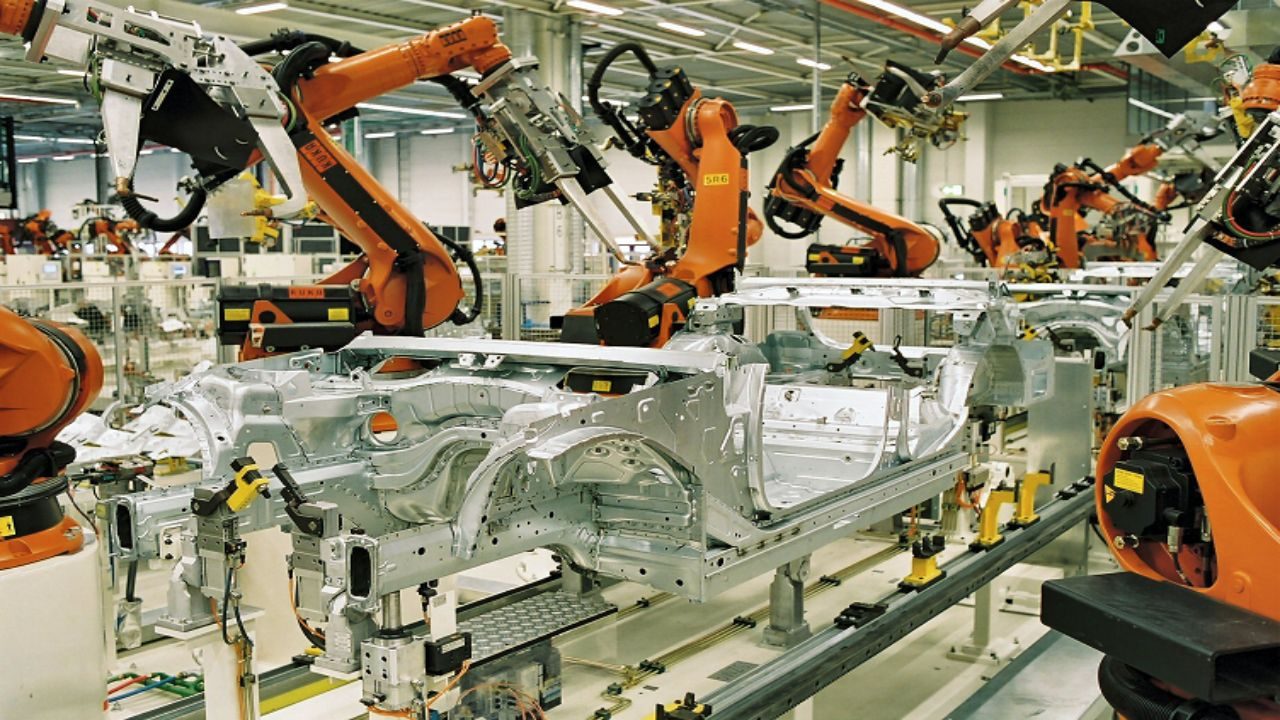
One of the most powerful ways metal stamping boosts profitability is through consistent precision. Modern stamping tools are engineered to produce identical parts within extremely tight tolerances. This consistency reduces the risk of assembly issues, product defects, or costly recalls.
High-precision tooling also allows for intricate part geometries that may be difficult or costly to achieve through alternative methods. By integrating advanced design software and computer-controlled presses, manufacturers can move from prototype to production without extended delays. The result is a process that not only saves time but also maintains product quality at every stage.
When precision becomes a predictable outcome, it also improves supply chain stability. Reliable part quality ensures smoother downstream operations, from assembly lines to end-user delivery, which further reduces hidden costs and delays.
Cost Reduction Through Material Optimization
Metal stamping supports profit margins by maximizing material usage. Progressive die stamping, for instance, can cut, bend, and shape parts in a single continuous process, leaving minimal scrap. This efficient material flow is especially important when working with costly alloys or specialized metals.
Reducing waste directly translates into lower raw material expenses. In some cases, optimizing part layouts within the stamping process can cut material waste by double-digit percentages. For large-scale production, this can mean savings worth millions annually.
Additionally, material optimization allows manufacturers to adopt more sustainable practices. Using less raw material while maintaining production volumes strengthens both profitability and corporate responsibility, which can be valuable in securing new contracts from eco-conscious clients.
Speed and Scalability in Production
Time efficiency is another significant advantage of metal stamping. Modern presses can produce hundreds of parts per minute, enabling rapid turnaround for urgent orders. This production speed is particularly valuable in industries with high demand variability, such as automotive or consumer electronics.
Scalability also plays a key role. Once a stamping die is designed and set up, the same tooling can produce thousands or even millions of identical components without performance degradation. This means businesses can respond quickly to spikes in demand without renegotiating lead times or increasing per-unit costs.
Fast, scalable production ensures companies can maintain competitive pricing while meeting client deadlines, a balance that is often difficult to achieve through slower manufacturing processes.
Lower Labor Costs Through Automation
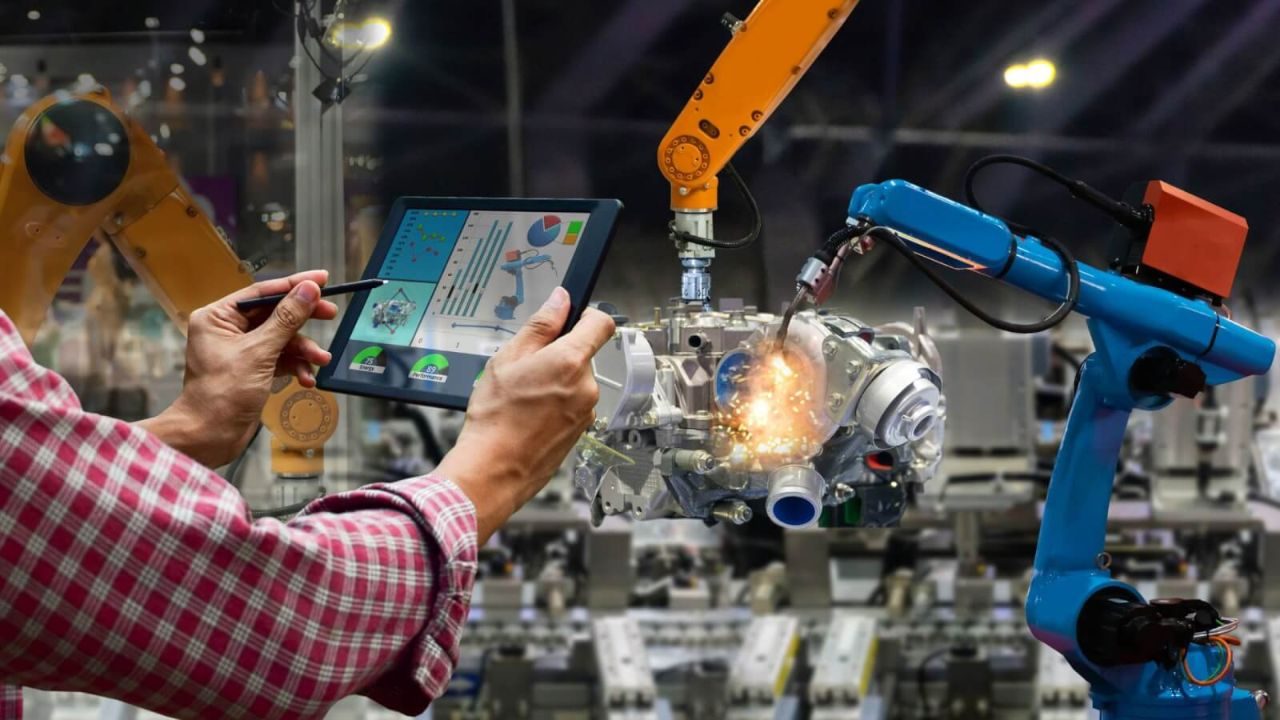
Modern metal stamping operations rely heavily on automation. Computer-controlled presses, robotic material handlers, and automated inspection systems reduce the need for large manual labor forces. This shift not only lowers labor expenses but also decreases the likelihood of human error.
Automated systems also run longer production hours with minimal downtime. With predictive maintenance and remote monitoring, manufacturers can keep presses operating at peak efficiency for extended periods, further driving down per-unit costs.
By reducing labor dependency, companies gain more control over operational expenses, allowing them to allocate resources toward R&D, marketing, or capacity expansion.
Improved Product Versatility
Metal stamping supports a wide variety of applications, from small precision connectors to large structural components. The ability to switch between different tooling setups quickly gives manufacturers flexibility to serve multiple markets without major capital investment.
This versatility can lead to revenue diversification. A manufacturer serving the automotive sector can easily pivot to producing parts for consumer electronics or medical devices, minimizing the financial risks associated with market fluctuations.
Expanding product capabilities also strengthens long-term client relationships. When customers know a manufacturer can adapt to new requirements quickly, they are more likely to increase order volumes or award multi-year contracts.
Competitive Advantage Through Quality and Reliability
Consistent product quality is a powerful competitive tool. In many industries, buyers prioritize suppliers who can guarantee defect-free components at scale. Metal stamping offers that reliability, enabling manufacturers to position themselves as premium suppliers without pricing themselves out of the market.
Reliability also reduces the costs linked to warranty claims, product returns, and quality inspections. With fewer defects reaching customers, manufacturers can protect brand reputation and improve client retention rates.
When quality is combined with cost efficiency, the result is a manufacturing operation that can command higher margins and secure a stronger foothold in competitive markets.